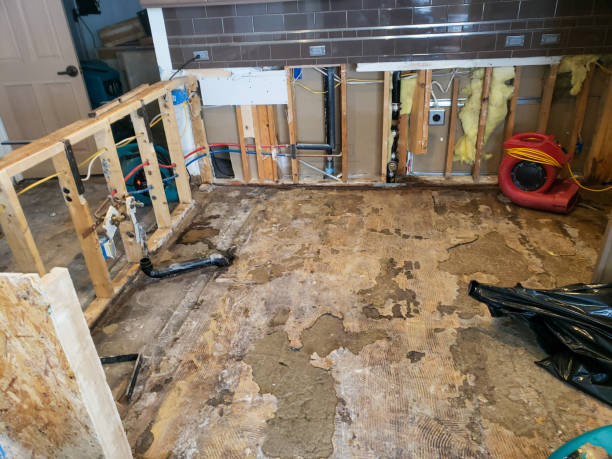
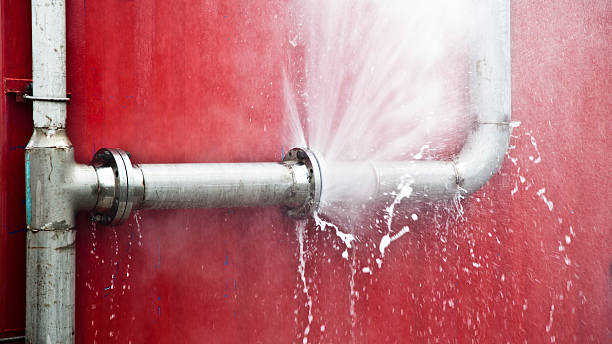
A split washer hose can soak three rooms of carpet in minutes. A wet vac only skims the top. Real extraction uses heavy suction and weighted tools to pull water out of the pad and subfloor, which cuts drying time dramatically.
Free referral to independent, licensed and insured local pros. Zip codes served include 71744.

We are a referral line, not a contractor. Calls are routed to independent local pros around Hampton who carry real extraction equipment, not just a wet vac and a box fan.
Truck-mounted units deliver far more suction than portables and reach through long hose runs. Portable extractors handle high-rises and spots trucks cannot reach.
Each contractor is an independent business with its own license and insurance. Ask to see both before extraction begins.
Pricing is written before work begins, often by square foot or room, so there are no surprises.
Extraction works best in the first hours, before water migrates into the subfloor and walls. Local pros near Hampton can often be there quickly.

Carpet, hardwood, tile, and concrete each hold water differently, so the pro picks tools based on what is wet and what kind of water it is.

For large areas, a truck-mounted unit with strong vacuum lift pulls water through long hoses, removing far more per pass than any portable machine.
Ride-on or stand-on weighted extraction tools compress the carpet and pad, forcing out water a wand alone cannot reach. This often lets the carpet stay in place.
Specialized floor mats connected to high-pressure vacuum draw moisture up through the boards and the gaps between them, giving solid hardwood a real chance at survival.
Clean Category 1 water often allows the carpet to be saved with new pad. Category 2 water usually means pad removal. Category 3 water means carpet and pad both come out.
Readings before and after show how much water was removed and set the starting point for drying.
Let dispatch know which rooms and floor types are wet, so the right extraction equipment gets sent.
The contractor calls back with an arrival time and may ask you to clear a path for hose lines.
The pro identifies the water category, maps the wet area with meters, and gives you a written price before running the extractor.
After extraction, readings are taken again and drying equipment is placed to finish the job.
The pad is holding more water than you think.
Three rooms of soaked carpet after a washer hose split. The weighted tool saved the carpet. Only one room needed new pad.
Kayla J.Washing machine hose failureAfter hours with a shop vac, the truck-mount pulled more in one pass than I had all day.
Derek F.Laundry room overflowOur oak floors were wet from the dishwasher. They used suction mats on the boards for a couple of days and the floor flattened back out.
Nora B.Dishwasher leak, hardwood kitchenThey took readings before and after so I could actually see what came out. Price was written down before they started.
Samuel O.Water heater leak, carpeted den

Shop vacs only reach the surface. Pro equipment pulls water out of the pad and subfloor, where it would otherwise sit for days.
Often, if the water was clean and extraction happens quickly. The pad is usually replaced. Carpet soaked by sewage or floodwater should be discarded.
Category 1 is clean, Category 2 is gray water with some contamination, and Category 3 is sewage or floodwater that needs full protective handling.
A typical extraction visit runs a few hours. The drying phase that follows takes longer.
Yes. Specialized suction mat systems pull water up through the boards. Solid hardwood often recovers, while engineered and laminate floors are harder to save.
No. We connect you with an independent local pro. Please confirm their license and insurance before work starts.

Calls from Hampton and zip codes such as 71744 are routed to extraction contractors working nearby.
Nearby cities are listed below for reference.