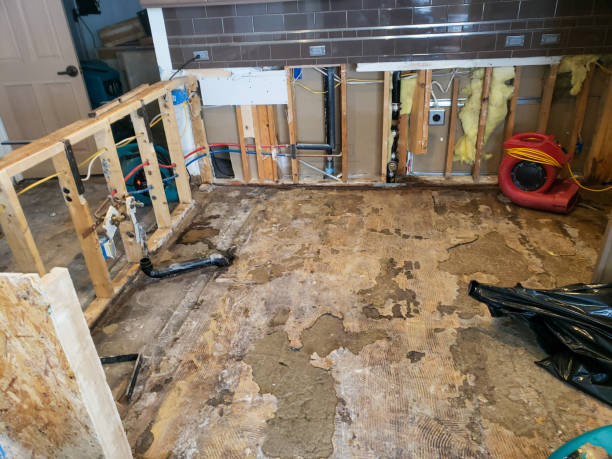
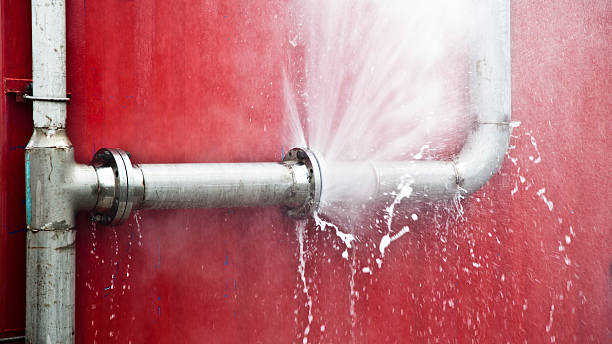
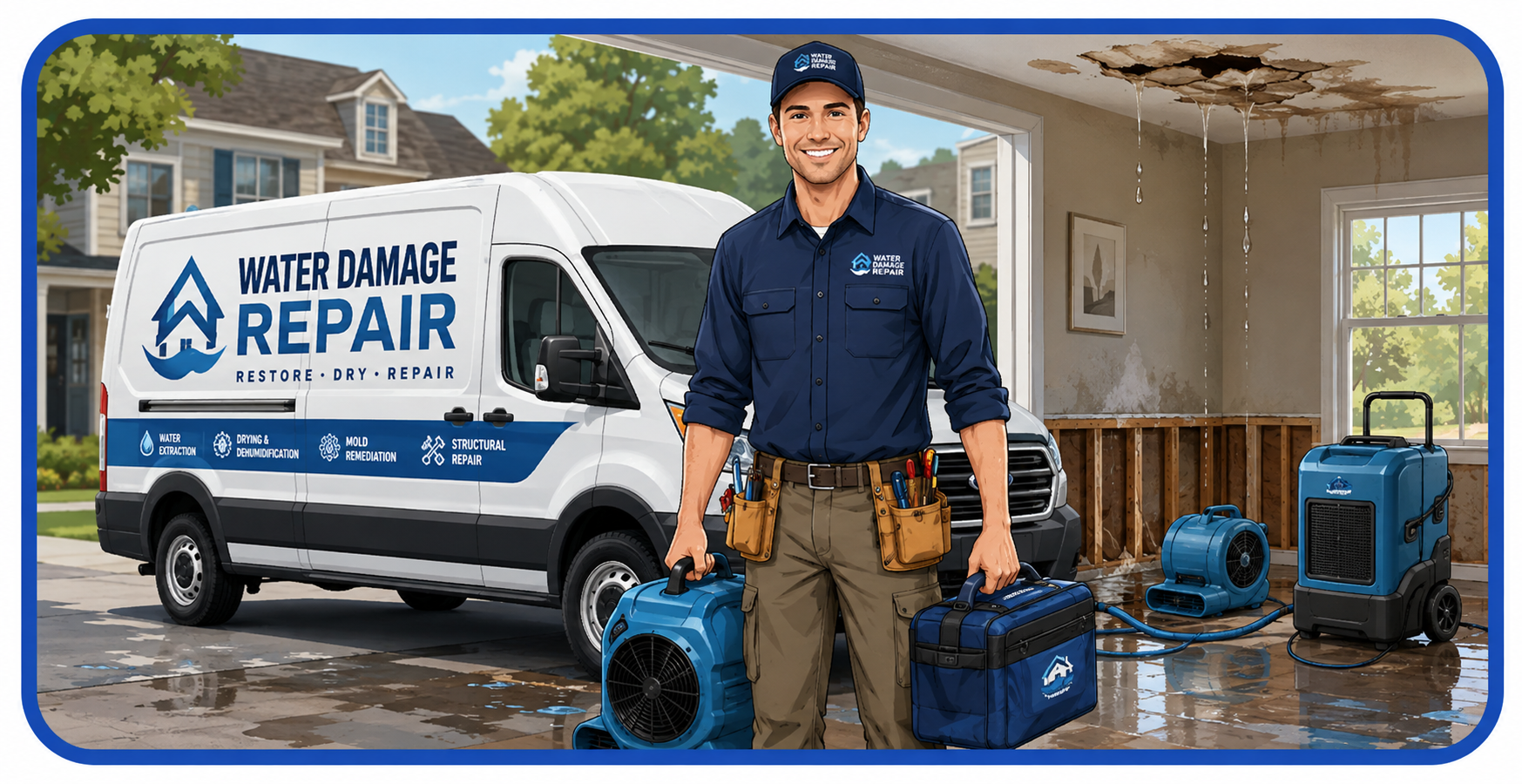
After a leak, the surfaces dry fast while the structure stays wet. Framing, subfloors, and wall cavities hold moisture you cannot see. Structural drying uses measured airflow and dehumidification to bring those materials back to normal moisture levels.
One free call connects you with an independent local specialist. Areas served include zip codes 46835 46818 46814 46815 46816 46825 46845 46803 46802 46807 46806 46805 46804 46809 46808 46801 46850 46851 46852 46853 46854 46855 46856 46857 46858 46859 46860 46861 46862 46863 46864 46865 46866 46867 46868 46869 46885 46895 46897.

Drying is where most do-it-yourself cleanups fail. A Water Damage is a free referral service connecting you with independent, licensed and insured drying contractors near Fort Wayne who use psychrometrics, not guesswork, to decide where equipment goes and when it comes out.
LGR dehumidifiers, desiccants for tough jobs, and air movers placed with purpose, not just pointed at the wall.
Daily logs track humidity and material readings so drying decisions are based on data.
Each contractor runs an independent, licensed and insured business. Confirm both with the pro before equipment is set.
You will see equipment day rates and an estimated drying timeline before setup.

The goal is simple: get every wet material back to the moisture level of similar dry materials in the house, and prove it with readings.

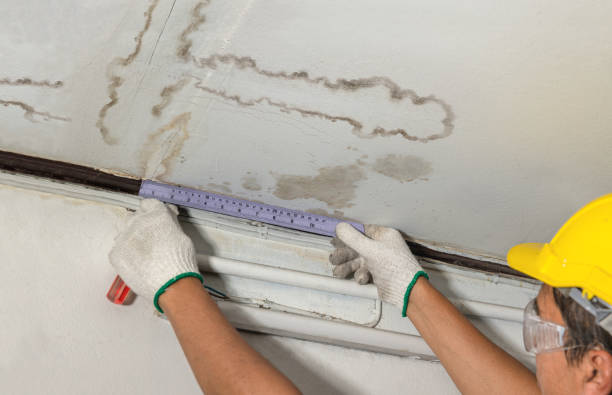
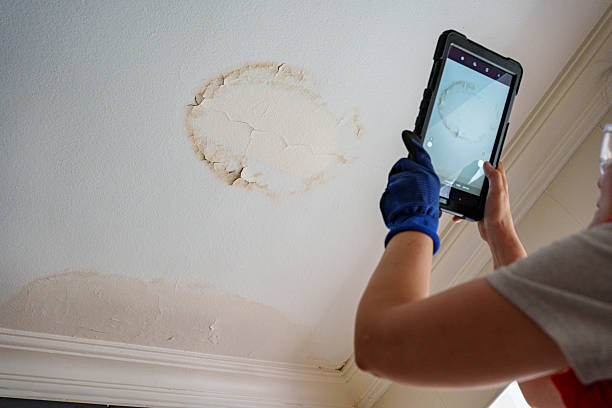
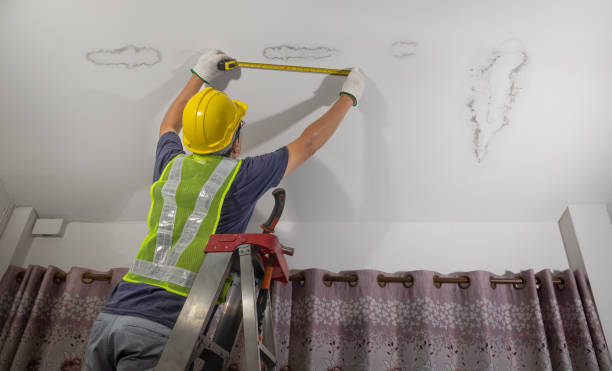
Meters and thermal imaging trace water into hidden spots before drying begins.
Sealing off the wet area with plastic focuses the equipment and shortens drying time.
Injecting dry air through small holes can dry wall cavities without full flood cuts.
Hardwood and subfloors are dried with mats and controlled airflow to reduce cupping.
Equipment stays until wet materials match dry standard readings. The final log becomes part of your insurance file.
Call +1-877-637-9008 and explain what got wet, when, and whether water has already been extracted. That tells dispatch you need a drying specialist.
A local contractor calls back with an arrival time and brings meters, a thermal camera, and an initial set of drying equipment.
You get a moisture map, a dry standard baseline, and a written drying plan with costs.
Drying continues with daily monitoring until readings confirm the job is done.
Closing up wet framing is how mold starts.
A week of box fans did nothing. The pro found wet framing with infrared and dried it properly in four days.
Laura F.Hidden wet framing after leakWall injection drying saved our drywall. Just a few small holes behind the baseboards.
Kevin Y.Wall cavity dryingThe daily drying logs were detailed and made the insurance claim straightforward.
Mariah S.Insurance drying documentationOur oak floor was cupping. They used floor mats and kept the drying slow and steady. The boards flattened back out.
Henry L.Hardwood floor drying

Most jobs take three to five days. Dense materials like hardwood, plaster, and concrete can take a week or longer.
Consumer equipment is too weak to dry framing quickly enough to prevent mold.
It is the baseline moisture reading of dry materials in your house. Wet materials are dried until they match.
Grains per pound, or GPP, measures how much water vapor is in the air. Lowering GPP in the drying area speeds evaporation from wet materials.
Yes. Air movers and dehumidifiers are noisy and add heat. Most people can stay home, but you may want to close doors to the drying area at night.
No. A Water Damage is a free referral service that connects you with independent, licensed and insured local contractors who perform the drying.

Calls from Fort Wayne and zip codes such as 46835 46818 46814 46815 46816 46825 46845 46803 46802 46807 46806 46805 46804 46809 46808 46801 46850 46851 46852 46853 46854 46855 46856 46857 46858 46859 46860 46861 46862 46863 46864 46865 46866 46867 46868 46869 46885 46895 46897 are routed to structural drying pros working locally.
See nearby cities in the list below.