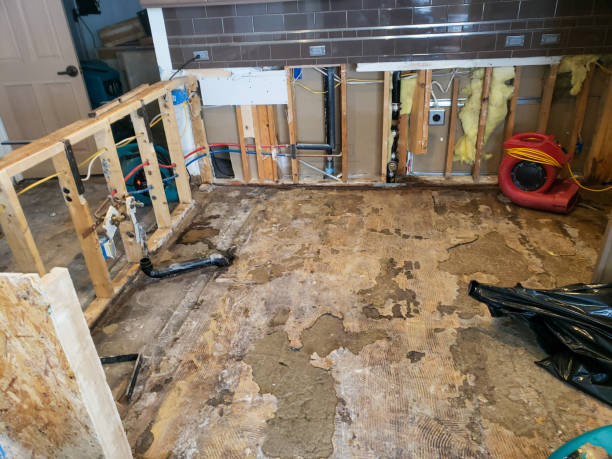
Rising water from a river, creek, or flash flood is never clean. When it pulls back, it leaves mud, debris, and bacteria in every surface it touched. Flood cleanup means removing contaminated materials, sanitizing what stays, and then drying the structure.
Free referral to independent, licensed and insured local pros. Zip codes served include 48759.

We are a referral line, not a contractor. Calls are routed to independent local pros around Sebewaing who handle Category 3 floodwater safely and document every step for your flood claim.
Expect full PPE and hospital-grade disinfectants, because floodwater carries sewage, fuel, and bacteria.
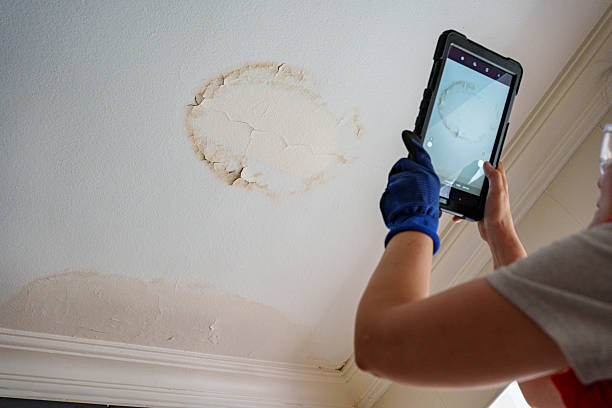
Flood claims often run through a separate policy. Detailed photos, flood line measurements, and removal logs help the claim move.
Every contractor runs an independent, licensed and insured business. After storms, out-of-town operators often show up, so confirm credentials before signing anything.
You get a written estimate for muck-out, removal, sanitizing, and drying before work begins.

Unlike a clean-water leak, a flood requires mud removal, demolition below the waterline, and full sanitizing before the structure can be dried.

Silt, mud, and debris are scraped out and hauled away, then hard surfaces are washed down.
Contaminated drywall and insulation come out above the flood line to catch water that wicked upward.
Every exposed surface is cleaned and treated with an antimicrobial before drying starts.
Once the building is cleaned out, air movers and dehumidifiers run until framing and slab readings show the structure is dry enough to rebuild.
Soft items soaked in floodwater are usually discarded, while hard goods may be cleaned. Everything is listed for the adjuster.
Tell the dispatcher the water depth and whether it is still inside. That decides which crew is best suited.
A local contractor calls with an arrival estimate. After regional flooding, demand is high, and they will be honest about timing.
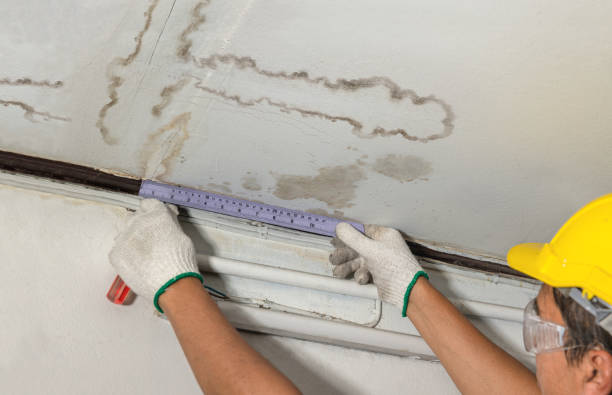
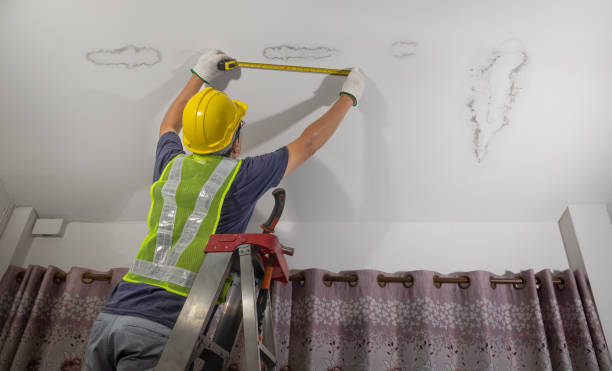
The pro checks for structural and electrical hazards, measures the flood line, and writes up muck-out, removal, and drying costs before starting.
Mud and damaged materials come out, surfaces are disinfected, and drying runs until the structure is ready for repairs.
The sooner it is cleaned, the less mold you fight later.
Fourteen inches of river water on the first floor. They mucked it out, cut the walls three feet up, disinfected, then started drying.
Paul and Dee A.River flooding, first floorEvery room had flood line photos and measurements. The adjuster said it made his job easy.
Imani C.Flash flood, flood insurance claimI wanted to keep the couch. The contractor explained why floodwater makes that a bad idea and helped me list everything for the claim.
Rob G.Flood-damaged contentsLots of out-of-town trucks showed up after the storm. This contractor was local, showed me his license, and gave me a written price first.
Teresa M.Post-storm flood cleanup

It can be. Outside floodwater is Category 3 and may carry sewage, chemicals, and bacteria. If you clean any of it, wear boots, gloves, eye protection, and a respirator, and keep children away.
Most standard homeowners policies exclude flooding from outside water. Coverage usually comes from a separate flood policy. Check with your agent about which applies to you.
Usually at least a foot or two above the visible flood line, because water wicks upward. In deeper floods, entire walls may come out.
Hard furniture may survive with cleaning. Soft and porous items usually need to be discarded.
Right after the water goes down and the building is safe. Waiting lets mold and bacteria spread.
No. We connect you with an independent local pro. Verify their license and insurance before any work starts.

Independent flood cleanup contractors in the network work throughout Sebewaing, MI, including low-lying zip codes like 48759.
See nearby cities below. After major floods, you will get an honest estimate of how soon help can arrive.