24/7 referral inquiries • Independent local contractors

Emergency Gutter Repair in Jim Wells County County, TX

When your roof drainage stops doing its job, it helps to speak with someone who can connect you to an appropriate local trade professional.

Schenectady gutters is a free referral service that connects callers seeking gutter work in Jim Wells County with independent local contractors. The network does not itself install, clean, or repair gutters and cannot promise the quality of an independent contractor’s work. Call to discuss the problem and ask about the availability of independent local contractors.

Call day or nightAsk for credentialsRequest an upfront quote
Call +1-855-636-1078

Free referral inquiry. Contractor schedules, qualifications and prices vary; verify them directly.

Licensed Emergency Gutter Repair service in Jim Wells County County, TX - Schenectady gutters

Who We Are: a Clear Connection to Independent Gutter Pros

Practical help starts with knowing what the referral service does—and what the independent contractor will handle.

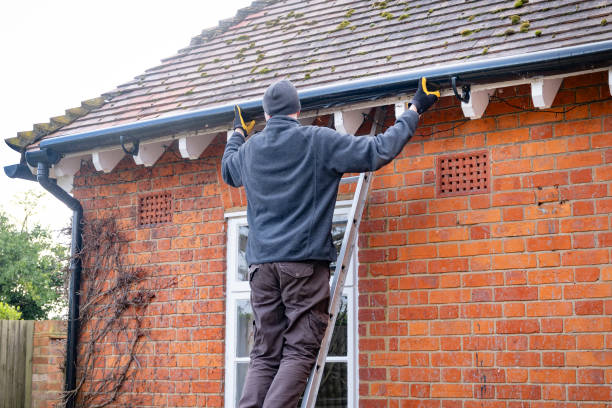
Professional Emergency Gutter Repair technician working in Jim Wells County County, TX

The service helps arrange connections; onsite inspections and work are handled by independent businesses.

Properties in Jim Wells County may range from compact homes to long rooflines with multiple drainage exits. Access, landscaping, debris patterns, and the condition of fascia all affect how a contractor approaches a job. Even neighboring buildings can have very different gutter requirements.

County coverage depends on where individual contractors travel, the tools they carry, and whether they accept the requested scope. A clear description of the issue improves the chance of a useful referral; it does not create a guaranteed dispatch time or a guaranteed final price.

Gutters are easy to overlook until runoff shows up in the wrong place. A dark streak on siding, splash marks in mulch, or drips behind the fascia can each indicate a different fault. The channel might be full of debris, but it might also be pitched incorrectly or connected to a blocked downspout. These distinctions affect what kind of visit is helpful and whether a repair can solve the underlying problem.

Before the contractor arrives, take note of where water is traveling. Is it reaching a walkway, collecting by an entry, leaving a damp spot near a foundation, or falling over the outside lip? If it is safe to do so, photograph the area from the ground while the problem is visible. There is no need to climb onto the roof, lean over a high ladder, or touch loose electrical equipment to make a referral request.

A referral is not an onsite inspection. It provides a chance to explain your situation and discuss a possible connection with an independent contractor. The professional who attends should determine the work, identify safety concerns, explain what is included in the quote, and obtain your approval before beginning chargeable repairs.

Depending on the property, the right specialist may work with aluminum, steel, copper, vinyl, factory-formed sections, or seamless runs. Each material has particular fastening and sealing considerations. A contractor should describe the approach that fits your installed system, not assume that every leak should receive the same patch or that every old run must be replaced.

For apartment buildings, storefronts, offices, and other commercial properties, access and coordination deserve extra attention. An estimate may need to account for tenant hours, parked vehicles, a loading area, exterior lighting, and the safe use of lifts or larger ladders. Ask who will communicate any access restrictions and how areas below overhead work will be protected.

Clear expectations protect everyone. Learn who is performing the job, ask to see applicable licensing and insurance where required, and request a written estimate that separates materials, labor, and potential additional work. A favorable phone conversation is useful, but it is not a substitute for reviewing a contractor’s qualifications or contractual terms.

Core Emergency Gutter Repair Services for Homes and Businesses

From seasonal cleaning to commercial roof-edge drainage, independent specialists may offer a range of solutions across Jim Wells County.

Overflowing gutter cleaning

Leaves, seed pods, roof grit, and compacted mud can narrow a gutter channel until a mild shower sends water over the face. Overflow near a doorway or window is especially easy to notice, but it does not tell the whole story: a stopped outlet, a low section, or an undersized downspout can create the same symptom.

A local contractor may remove debris by hand or with appropriate equipment, flush outlets where conditions allow, and look for sagging brackets or obstructed elbows. Ask how debris is collected, whether exterior cleanup is included, and how the professional protects landscaping, siding, and roof edges while working.

Cleaning frequency depends on tree cover, roof pitch, gutter guards, surrounding vegetation, and recent storms. A careful estimate should distinguish a simple accessible run from multistory work, steep slopes, brittle old components, and downspouts that need separate clearing.

Confirm what is included in the estimate and whether any additional services require separate approval.

New gutter installation

A new system should move roof runoff away from foundations, walkways, entrances, and vulnerable landscaping. That outcome depends on correct sizing and placement, not just attaching a straight line of metal beneath the roof. The roof surface, drainage path, fascia strength, and discharge destination all matter.

Installers commonly evaluate the total roof area feeding each run, locate practical downspout exits, establish a workable pitch, and select suitable hangers and sealant details. Ask for a clear description of material, gauge, attachment method, expansion allowances, corners, and how the work interfaces with drip edge or existing flashing.

An installation proposal should separate removal and disposal, new gutter lengths, corners, outlets, downspouts, extensions, and any rotten fascia repair. A contractor should explain the limits of the installation, including drainage conditions on the ground that may require a different trade.

Confirm what is included in the estimate and whether any additional services require separate approval.

Leaks, seams, and gutter repair

A drip at the end cap, a wet wall behind the gutter, or a joint that opens after a freeze is often repairable, but sometimes indicates broader movement. Repeated patching can hide a loose hanger, improper slope, or deformation that will simply open the seam again.

Repair evaluation may include a visual inspection of seams, rivets, end caps, outlet penetrations, corroded segments, and the surface behind the gutter. The best repair method depends on the material and the condition of the underlying metal; a sealant bead is not a substitute for securing failed supports.

Ask whether the contractor recommends sealing, refastening, replacing a damaged section, or replacing the whole run, and why. Request a distinction between a temporary water-control measure and a durable correction, especially when rainfall is already entering a building.

Confirm what is included in the estimate and whether any additional services require separate approval.

24/7 Emergency Emergency Gutter Repair experts in Jim Wells County County, TX

Guards and debris-control options

Screens, perforated covers, and fine-mesh gutter guards can reduce the amount of larger debris that enters a channel. They do not make the roof edge maintenance-free: surface buildup, roof granules, pine needles, and inaccessible downspout bends still deserve attention.

A qualified installer should compare guard compatibility with your existing gutter profile and roof edge, discuss fastening without disturbing roofing details, and consider how heavy rainfall will pass across the cover. Different materials and roof conditions can change the right choice significantly.

Get a candid explanation of cleaning access, service limitations, and how the proposed product handles the kind of debris you actually see. Be wary of universal claims that one guard eliminates all cleaning or prevents every possible overflow.

Confirm what is included in the estimate and whether any additional services require separate approval.

Gutter replacement and fascia concerns

Rust-through, repeated seam failure, crushed sections, and extensive sagging may make replacement more sensible than continued patching. The decision is not purely cosmetic. Water moving behind the existing channel can damage fascia, stain siding, and create a difficult inspection area.

A replacement quote should identify which sections are being removed, what material will be installed, and whether exposed fascia or other woodwork needs a separate assessment. Workers may discover deterioration only after the old system is removed, so the estimate should address how unforeseen repairs would be approved.

Ask how new outlets align with drainage needs and how disposal, fasteners, roof-edge transitions, and cleanup will be handled. If part of the system remains, ask how old and new sections will connect and whether different metals might create compatibility concerns.

Confirm what is included in the estimate and whether any additional services require separate approval.

Seamless gutter fabrication

Seamless gutters are typically formed on site in long continuous runs to reduce intermediate joints. They still need end caps, corners, outlets, and connections, and those locations can leak if installed poorly. The term seamless does not mean a completely joint-free drainage system.

The installer should measure each roof edge carefully, check access for forming equipment, and use suitable supports to maintain alignment along long spans. Temperature movement, profile depth, metal thickness, and downspout locations all affect the finished run.

Compare bids using actual material specifications and the included accessories rather than the word seamless alone. Ask how crews handle complex corners, unusually long rooflines, and runoff concentrated where two roof planes meet.

Confirm what is included in the estimate and whether any additional services require separate approval.

Reliable Emergency Gutter Repair contractor in Jim Wells County County, TX by Schenectady gutters

Downspout blockage and repair

An overflowing outlet or water spilling from a downspout joint can be caused by packed leaves, disconnected elbows, a crushed vertical section, or a blocked underground line. A clear gutter trough does little good when the discharge path below it cannot carry water away.

A contractor may examine visible bends, straps, connections, outlets, and splash areas before deciding whether to clear, straighten, reconnect, or replace parts. Underground drainage can require separate investigation and may not be included in standard gutter service.

Ask where the water will end up when the repair is complete. A downspout that drains directly beside a basement wall can remain a moisture problem even after every elbow is open and firmly attached.

Confirm what is included in the estimate and whether any additional services require separate approval.

Downspout installation and redirection

Additional downspouts can relieve an overloaded gutter run where the roof collects a large volume of runoff. The goal is to create enough paths for water to leave the channel while placing discharge where it will not erode soil or create slip hazards.

Installation often includes selecting outlet points, configuring elbows to clear trim, anchoring straps without damaging exterior materials, and determining where extensions or splash blocks may be useful. Local drainage rules, property slopes, and walkways may limit discharge options.

Review the plan on site before authorizing work. Ask whether the quote includes extensions, decorative finishes, buried piping, or any excavation; those are not automatically part of attaching a vertical downspout to a wall.

Confirm what is included in the estimate and whether any additional services require separate approval.

Routine inspections and maintenance

Minor problems are easiest to address before repeated overflow softens fascia or leaves standing water along the foundation. A maintenance visit can combine cleaning with a check for loose hangers, deteriorated seals, poor drainage, bent outlets, and early corrosion.

Inspection scope varies. Some professionals check the system from ladders or the ground and document visible conditions; others may offer additional roofline access where it can be done safely. Ask what is inspected, whether photos are supplied, and what cannot be seen without further work.

Maintenance timing should be based on local tree cover, recent storms, roof materials, and known problem spots rather than an automatic claim that every home requires the same schedule. Record the location of recurring issues for the next visit.

Confirm what is included in the estimate and whether any additional services require separate approval.

Affordable Emergency Gutter Repair solutions in Jim Wells County County, TX

How to separate a drainage problem from a cosmetic problem

Surface stains, uneven color, and dents may affect appearance without immediately interrupting water flow. Standing water, on the other hand, can point to inadequate pitch, a blocked outlet, or deformed supports. A contractor should identify whether the complaint is about appearance, capacity, leaks, fastening, or the discharge location. It may be possible to correct one part without replacing the entire system, but that depends on condition and compatibility.

The roof is part of the drainage system, too. Water arriving from valleys, upper downspouts, and large roof sections can concentrate at one point. A gutter that looks large enough along a short section may not be sized properly for the amount of water reaching it. Ask how the professional evaluated the contributing roof area, the number of outlets, and the path water takes after it leaves the downspout.

In a sudden storm, keep the immediate priority on safety. Avoid standing beneath visibly loose metal, handling energized exterior wiring, or trying to clear a high outlet from an unstable ladder. If water is entering living space, protect belongings when safe and consider whether building-envelope, roofing, water mitigation, or electrical assistance is also needed. A gutter referral may solve one source of runoff but cannot replace every other emergency service.

Good workmanship often includes small decisions customers do not see in a photo: choosing fasteners that fit the substrate, maintaining a consistent slope, preventing incompatible-metal contact, keeping seals clean and dry before application, and allowing water to discharge away from areas where it can return to the structure. These details are worth discussing because a low initial estimate may omit the part that makes the work last.

Ask how the crew will clean up metal offcuts, removed debris, packaging, and old sections. Discuss access to water or power if equipment requires it, the placement of vehicles, and whether anyone needs to move outdoor furniture. A few minutes of practical planning can prevent delays and provide a clearer understanding of the final invoice.


How the 4-Step Referral and Dispatch Process Works

A clear sequence makes it easier to request help across Jim Wells County without assuming a guaranteed arrival or a fixed diagnosis.

1

Explain the symptom and the site

Describe the visible problem and where it happens. Mention whether water is actively leaking into the building, whether a section is hanging loose, and whether the gutter is above a public entrance or walkway. Providing a clear description helps separate an urgent safety problem from a routine cleaning request.

You can mention the building height, roofing material if known, access limitations, and any photographs you already have. You do not need to perform an unsafe inspection or make a diagnosis yourself. If the situation includes imminent structural or electrical danger, seek the appropriate emergency assistance rather than waiting for a gutter visit.

2

Discuss a possible local connection

The referral service can consider the requested work and local coverage when identifying an independent contractor who may be able to help. Local providers choose their own hours, staffing, travel area, and accepted job types, so telephone availability does not by itself mean an onsite appointment has been confirmed.

Ask who will contact you, what basic information may be shared, and whether the provider can inspect the system before quoting. For storm-related demand, schedules can be particularly variable. A transparent dispatch discussion should not disguise unknown travel times as a fixed guarantee.

3

Review an onsite assessment and price

The independent contractor should identify the relevant fault and explain the proposed correction. That might involve clearing an outlet, securing hangers, replacing a cracked elbow, or suggesting broader replacement when the original run is unsound. Review the reasoning, especially if the proposed work differs from your initial request.

Request pricing in a form you understand, including labor, materials, taxes, disposal, access equipment, and conditions that could change the amount. Ask for permission to be obtained before extra work begins. You can compare options or decline a quote; a referral itself should not be treated as authorization to start paid work.

4

Confirm completion and follow-up

Before making final payment, check the work description against the approved scope. Ask the contractor to point out repaired joints, supports, or newly installed parts and to explain any maintenance recommendations. Visible checks from safe ground positions are useful; a homeowner need not climb up to verify every detail.

Confirm who handles callbacks, any workmanship warranty the contractor actually offers, and any remaining concerns that are outside the job. Keep the invoice and photographs. A satisfaction outcome depends on the independent contractor’s agreement, so the referral service does not promise a universal guarantee.

When runoff is approaching indoor electrical systems, foundations with active flooding, or areas where people could be struck by falling material, treat immediate safety as the priority. Gutter service may be only one part of the response.

Why Choose This Emergency Gutter Repair Referral Service?

Useful service starts with transparency about the network and careful decisions from the local business you hire across Jim Wells County.

Independent local trade judgment

A referral should lead to a real conversation about your building, not a universal solution chosen before anyone sees the job. Independent contractors can evaluate fastener condition, outlet location, gutter profile, roof-edge access, and discharge limitations. Their professional judgment—and their responsibility for the work—remain separate from the referral service.

Ask the assigned business about the specific work it performs and whether its equipment and experience match the conditions at your site.

Credential checks that stay in your hands

Different jurisdictions and project types can have different licensing, registration, permit, and insurance requirements. A contractor should be able to explain the rules applicable to the proposed job. Ask for current evidence of insurance and any required trade authorization; check the information independently where local records are available.

The referral network does not certify that every contractor carries a particular credential for every scope of work, and it does not issue licenses itself.

Pricing explained before work

There is no honest way to quote every roof edge based on a few words typed into a search engine. The size of the system, roof height, material, condition, and safe access can all affect labor and materials. The helpful expectation is an understandable estimate before billable work starts, not a universal flat rate for every property.

Ask which work is included, how change orders are handled, and whether the price covers waste removal, new parts, and final checks.

Practical response when the issue is urgent

A detached downspout or active overflow can feel urgent, especially when water is reaching an entryway or finished interior. Calling promptly can begin a referral inquiry, but arrival depends on independent local capacity, severe weather, and job location. It is better to receive accurate scheduling information than an unsupported promise of a specific number of minutes.

Explain which areas are affected and whether the building remains safe to occupy; the contractor can determine whether emergency service is offered.

Equipment suited to the actual task

Cleaning a low single-story run and rebuilding drainage on a high commercial roofline do not require the same access arrangements. Contractors may use ladder stabilizers, protective debris equipment, levels, power tools, gutter-forming machines, or lifts when appropriate. Safe methods take precedence over speed and may affect price.

If access is difficult, ask whether the contractor has the equipment and insurance for that exact site rather than assuming every caller can be served.

Realistic follow-through and documentation

When a job is finished, a useful professional explanation covers what was repaired, what remains unchanged, and what to watch for during the next heavy rain. Ask for photographs where practical, a written invoice, and the contractor’s own terms for callbacks or warranties. That record helps prevent confusion if a separate roof or drainage issue later becomes visible.

The referral provider cannot substitute its own guarantee for one the independent contractor has not made.

Top rated local Emergency Gutter Repair specialists in Jim Wells County County, TX

Customer Situations and Review Guidance

These are illustrative service scenarios, not customer testimonials or verified reviews. Read actual independent-provider reviews before you hire across Jim Wells County.

The overflow beside the front steps

A homeowner notices rain spilling across the entrance but sees no debris from the ground. The useful first question is whether the downspout is blocked or the outlet has shifted. A thorough assessment should trace the flow before a cleaning or replacement quote is accepted.

Illustrative situation — not an endorsement or actual customer account.

The recurring seam leak

A property owner has already paid for one sealant patch, yet water still appears behind the gutter. The next contractor should check movement, hanger support, metal condition, and pitch rather than assuming another bead of caulk will fix the original cause.

Illustrative situation — not an endorsement or actual customer account.

The long retail roofline

A small business needs drainage work without disrupting foot traffic and deliveries. Scheduling, barriers below ladders, and communication about access are as important as deciding which metal profile or outlets are appropriate.

Illustrative situation — not an endorsement or actual customer account.

The downspout at the foundation

A caller has an intact downspout that ends beside a damp wall. The referral should consider whether the work involves a simple extension, redirected discharge, or a separate drainage concern requiring an additional specialist.

Illustrative situation — not an endorsement or actual customer account.

The post-storm loose section

Wind has left part of the roof-edge system visibly unsecured. The priority is staying clear of falling material and discussing an appropriately equipped independent contractor, not making an unsafe attempt to fasten it during the storm.

Illustrative situation — not an endorsement or actual customer account.

Authentic customer testimonials can be added after permission and verification. No star scores or review volumes are represented here.

Frequently Asked Questions About Emergency Gutter Repair

Straight answers about scheduling, contractor credentials, pricing, emergency requests, and the limits of a referral network.

Can I call about Emergency Gutter Repair outside regular business hours?

You can use +1-855-636-1078 to place a referral inquiry at any hour. Availability for an onsite visit depends on the independent contractor, location, weather, and scope; not every provider offers emergency attendance.

How quickly can a gutter contractor reach my property?

Response times vary according to contractor capacity, demand, travel, and conditions. A confirmed time should come from the provider accepting the job, not from an unsupported network-wide promise.

Will I get an upfront price for cleaning or repairs?

Request a written quote from the independent contractor before work begins. Height, gutter length, debris, required materials, and access can affect the price. Clarify whether inspection, disposal, and additional parts are included.

Are the independent professionals licensed and insured?

Requirements vary by place and the exact type of work. Ask the contractor to provide current evidence of required licensing, permits, and insurance, and verify the details where you can. The referral service does not guarantee these credentials.

Is a leaking gutter always repairable?

Sometimes a localized correction is practical; sometimes replacement is more sensible. The proper choice depends on the existing condition and the reason water escapes the system.

Do gutter guards eliminate future maintenance?

Guards can reduce certain debris problems but do not make every gutter maintenance-free. The appropriate product depends on roof geometry, tree cover, water volume, and how the cover can be inspected or cleaned.

Can you connect me with someone for commercial gutter work?

Explain the commercial building type, work restrictions, roof-edge height, and safety needs so a potentially suitable independent specialist can be considered.

What should I do if a downspout drains beside the foundation?

Describe where water ends up and whether the ground slopes toward the structure. A contractor may discuss extensions or redirection; buried drainage or foundation issues may need a different qualified specialist.

Who is responsible for the completed work or any warranty?

Workmanship terms come from the business you hire, not from the referral connection alone. Keep the contractor’s contact information and ask how it handles follow-up concerns.

Do I have to hire the contractor after requesting a referral?

No. A referral inquiry does not by itself authorize paid work. Review the contractor’s credentials, proposed scope, terms, and price before deciding whether to hire.

Service Coverage and Nearby Gutter Help

Explore the dynamic service-area listings and call to discuss a possible contractor connection across Jim Wells County.

The county service directory below includes dynamic city and ZIP information. The ZIP coverage string is . It is meant to help visitors identify local coverage, not to imply that every contractor serves every ZIP code or is immediately available.

A service-area directory helps with location selection, but the key question is whether a particular independent contractor currently accepts the exact job. Some businesses travel farther for a replacement project than for a small cleaning visit. Others limit service by roof height, equipment needs, seasonal demand, or weather. Ask about those boundaries during the call.

For a useful conversation, describe the property without guessing at technical measurements. Explain what you see, whether water is entering the building, whether an area below the gutter needs to be kept clear, and any time constraints such as tenant access or business operations. A contractor can then discuss whether an inspection is appropriate and what information would support a quote.

Where codes, permits, association approvals, or property-line drainage limitations apply, the independent contractor and customer should check local requirements. The referral service does not replace permitting authorities, insurance advisers, or qualified structural and drainage specialists.

Trusted Emergency Gutter Repair service in Jim Wells County County, TX - Schenectady gutters

Need help with Emergency Gutter Repair in Jim Wells County County, TX?

Explain the issue, ask about availability, and request information about independent local contractors. Calling does not require you to approve paid work.

Call +1-855-636-1078

Our Services in Jim Wells County County, TX

Call +1-855-636-1078
🟢 Techs On Duty in Jim Wells County County, TX Call +1-855-636-1078