Focused Downspout Repair Solutions
Six specific areas an independent contractor may evaluate, with practical questions about methods, scope, and follow-through.
Crushed elbow replacement
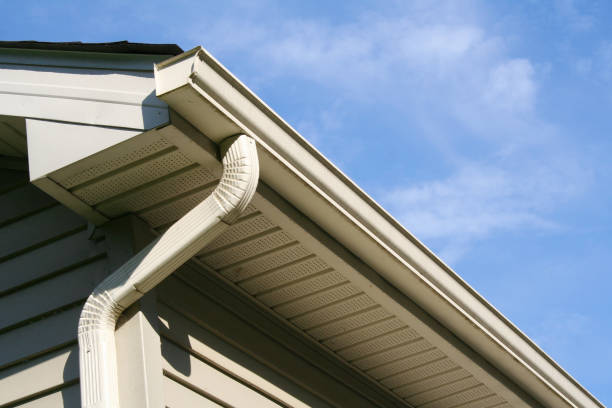
Elbows at soffits and corners are easy to dent during maintenance or from falling debris. A severe crease can restrict flow. A contractor may replace the damaged bend and check that its angle fits the wall and gutter outlet.
The right approach begins with identifying the cause, not assuming every property needs the same fix. Ask the contractor to explain which conditions can be confirmed on the first visit and which hidden issues may require another inspection. The quote should clearly identify included components and any optional work.
Separated pipe joints
Vertical sections sometimes pull apart as straps loosen or joints move. Repair can involve reconnecting compatible sections and correcting inadequate support. Ask whether the existing metal is sound enough to reuse.
The contractor should establish the actual condition before proposing materials or labor. A written scope can prevent surprises: note the exact parts of the roofline involved, who supplies materials, how access is managed, and how the area will be left after work.
Loose brackets and straps
A downspout that rattles in wind can fatigue joints and damage siding. Correct attachment means fasteners suitable for the wall material, with appropriate spacing and allowance for the pipe. The contractor should avoid fastening into weak trim.
The right approach begins with identifying the cause, not assuming every property needs the same fix. Ask the contractor to explain which conditions can be confirmed on the first visit and which hidden issues may require another inspection. The quote should clearly identify included components and any optional work.
Outlet-to-downspout leaks
A joint just beneath the gutter may spill down a wall. The crew should inspect the outlet, drop fitting, and top elbow before choosing a seal or replacement. Treating only the lower pipe can leave the upper source untouched.
The contractor should establish the actual condition before proposing materials or labor. A written scope can prevent surprises: note the exact parts of the roofline involved, who supplies materials, how access is managed, and how the area will be left after work.
Clogs inside bends
Leaves or roof grit may lodge at angled transitions. If clearing is suitable, the contractor should avoid methods that split brittle old metal or push a plug deeper into buried drainage. Ask what the quoted service includes.
The contractor should establish the actual condition before proposing materials or labor. Ask the contractor to explain which conditions can be confirmed on the first visit and which hidden issues may require another inspection. The quote should clearly identify included components and any optional work.
Discharge-end damage
A bent exit, missing extension, or disconnected splash block can concentrate water at the foundation. The repair quote should explain any outlet reorientation and distinguish pipe work from grading or underground drainage projects.
The right approach begins with identifying the cause, not assuming every property needs the same fix. A written scope can prevent surprises: note the exact parts of the roofline involved, who supplies materials, how access is managed, and how the area will be left after work.
What a careful diagnosis should answer
A repair contractor may trace water from the outlet through elbows, straps, vertical runs, and the discharge end. The assessment should distinguish crushed metal, failed connectors, clogs, and a buried drain blockage that lies outside visible downspout work.
Before signing anything, ask the specialist to separate the visible symptom from the underlying cause. It is reasonable to request photographs, an explanation of alternative fixes, and a note about related roof, fascia, or ground-drainage concerns that may fall outside the quoted service.
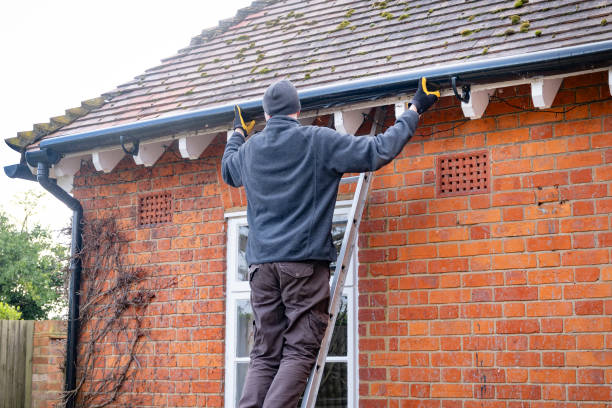
Different building heights, materials, and access arrangements affect the work. Never climb a wet roof or use an unsafe ladder to gather information for a referral; a ground-level description and safe photographs are enough to begin the conversation.
Verify that repaired sections are firmly attached, not draining onto electrical outlets or vulnerable walls, and still direct water toward a suitable discharge area. Ask which connections were repaired and whether a separate underground issue remains.